

OSHA Lockout/Tagout (LOTO) 1910 Explained: What You Need to Know
Lockout Tagout (LOTO) is a critical OSHA-required standard for controlling hazardous energy during equipment servicing and maintenance. It applies whenever workers are exposed to unexpected startup or energy release during servicing or maintenance. A compliant program includes written machine-specific procedures, employee training, proper use of locks and tags, and strict adherence to step-by-step isolation and verification processes. Authorized, affected, and other employees have specific roles that ensure accountability. The most important safeguard is verifying zero energy before work begins. When consistently applied, LOTO prevents serious injuries and ensures workers return home safely.

LOTO Training and Periodic Inspections
OSHA’s Control of Hazardous Energy Standard, also known as the Lockout Tagout (LOTO) Regulation, has specific requirements for Periodic Inspections and Employee Training for Authorized, Affected, and Other Employees. Read this blog to understand two of the crucial elements of an effective lockout tagout program that will prevent employee injuries and illnesses.

LOTO Procedure Requirements and Best Practices
OSHA’s LOTO standard has three main elements to create an energy control program. This blog will discuss the Control of Hazardous Energy Standard’s Purpose, as well as the three main elements, focusing on Energy Control Procedures.
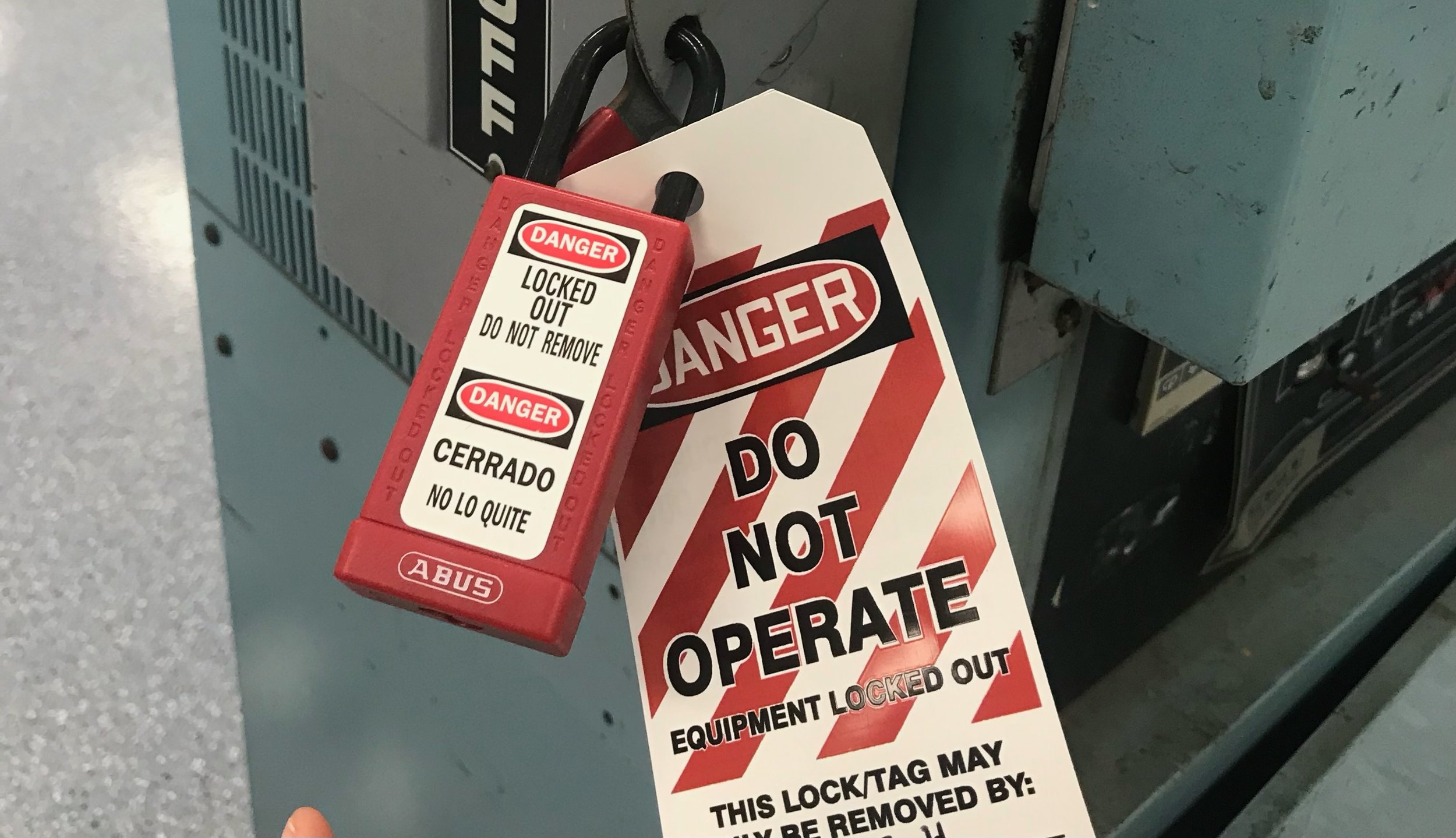
LOTO Standard FAQs on Scope and Application
Workers performing maintenance on machinery may be exposed to injuries from the unforeseen energization, startup of the machinery, or release of stored energy. OSHA’s Lockout/Tagout standard found at 1910.147, also known as LOTO or the Control of Hazardous Energy, requires the acceptance and implementation of procedures to shut down machinery, isolate it from its energy source, and prevent the release of potentially hazardous energy while maintenance and servicing activities are being completed. This blog helps employers gain clarity with commonly asked questions on the LOTO standard's scope and application to help employers understand who the LOTO standard does and does not apply to and what activities are and are not covered.