Essential Safety Guidelines for Navigating Cold-Weather Workplace Hazards
Winter weather introduces complex challenges that go beyond simple cold stress. For safety professionals, managing operations during snow, ice, and extreme temperatures requires specific guidelines to prevent incidents related to vehicle crashes, structural collapse, electrocution, and falls.
This guide draws directly from OSHA guidelines to provide clarity and actionable steps for managing winter work zones, assisting both experienced safety managers and those looking to deepen their understanding of regulatory compliance in challenging conditions.
Ensuring Vehicle and Driver Readiness
While employers cannot control hazardous roadway conditions, they must promote safe driving behavior and ensure equipment is properly maintained. Vehicle crashes are preventable, making maintenance and training critical.
Driver Training and Policy
• Employers must ensure workers recognize the hazards of winter driving, such as operating on snow and ice-covered roads.
• Workers should be properly trained for winter driving conditions and be licensed for the vehicles they operate.
• Employers must establish and enforce clear driver safety policies.
Essential Vehicle Maintenance Checks
An effective maintenance program should include regular checks of all vehicles and mechanized equipment. Trained workers should inspect the following systems to ensure they are working correctly:
• Tires: Check for proper tire inflation, adequate tread depth, and no signs of uneven wear or damage.
• Oil: The oil must be maintained at the proper level.
• Visibility Systems: Inspect all exterior lights for damage and to ensure they are working. Ensure windshield and rear window defrosters and wipers are working; install winter windshield wipers if necessary.
Vehicle Emergency Kit Essentials
An emergency kit is highly recommended for all work vehicles and should include items such as emergency flares, a flashlight with extra batteries,a high visiblity vest, jumper cables, blankets, snacks, water, a shovel, a tow chain, and traction aids like sand or cat litter.
Work Zone Management and Traffic Safety
Workers being struck by mobile equipment or vehicles is a leading cause of injuries and fatalities in work zones annually. Drivers may skid or lose control more easily when roads are covered in ice or snow.
• Traffic Controls: Work zones must be set up properly using traffic controls identified by cones, signs, barrels, and barriers to protect workers. A best practice is to have barriers that do not move if a car hits them to ensure that workers are protected. Signs and Cones are not as safe as they do not provide physical protection.
• Visibility: Workers exposed to vehicular traffic must always wear the appropriate high-visibility vest.
Safe Protocols for Stranded Workers
In the event severe winter weather leaves a worker stranded in a vehicle, specific safety measures must be followed:
• Stay in the Vehicle: Workers should stay inside the vehicle if possible and notify their supervisor. Workers should call 911 if they are in danger.
• Heat: To keep warm, run the engine and heat for about 10 minutes each hour. Turn on the dome light when the engine is running as an added signal.
• Carbon Monoxide Danger: To prevent carbon monoxide poisoning, the exhaust pipe must be kept clear of snow.
• Circulation and Insulation: Perform minor exercises, like moving arms and legs and clapping hands, to maintain good blood circulation. Use insulation like blankets or car mats.
• Avoid Overexertion: Workers should stay awake and avoid overexertion, such as pushing the vehicle or shoveling snow, as this puts added strain on the heart and can worsen medical conditions.
Removing Snow Safely
Snow removal presents risks of exhaustion, falls, and contact with powered machinery.
Shoveling Snow
Shoveling is strenuous work that risks back injuries, dehydration, exhaustion, or heart attacks.
• Workers should warm up before starting, take frequent breaks in warm areas (to avoid cold stress), and scoop small amounts of snow.
• Where possible, workers should push the snow instead of lifting it.
• To prevent injuries, use proper lifting techniques: keep the back straight, lift with the legs, and avoid turning or twisting the body.
Using Powered Equipment (e.g., Snow Blowers)
• Powered equipment, such as snow blowers, must be properly grounded to protect workers from electrocutions or electric shocks.It should be inspected before use.
• When performing maintenance or cleaning, the equipment must be properly guarded and disconnected from all power sources.
• Snow blowers often cause amputations or lacerations if operators try to clear jams while the machine is running. Never attempt to clear a jam by hand; instead, turn the snow blower off, wait for all moving parts to stop, and then use a long stick or other tool to clear debris.
• Refuel snow blowers before starting the machine; do not add fuel when the engine is hot or running.
Clearing Snow from Heights and Preventing Falls
Working on elevated surfaces covered in snow is extremely hazardous and requires careful planning.
• Structural Integrity: A competent person must inspect any surface weighed down by snow to ensure it is structurally safe and not at risk of collapsing before workers can access it.
• Hidden Hazards: Snow-covered rooftops can conceal hazards like skylights that workers can fall through. The formation of ice layers also makes surfaces highly slippery.
• Preventing Access: Where and when possible, employers should use snow removal methods that do not require workers to go onto the roof, such as snopw rakes which all employees to work from the ground.
• Fall Protection: If workers must access elevated surfaces, employers must determine the right type of equipment (ladders, Mobile Elevated Work Platforms-MEWP) and Personal Protective Equipment (PPE), such as personal fall arrest systems and non-slip safety boots, and ensure workers are trained to use them properly.
Preventing Slips on Snow and Ice
Slips, trips, and falls are common winter injuries. To prevent these, employers should clear walking surfaces of ice and snow and spread deicer as quickly as possible before and after a storm.
• Footwear: Workers should wear insulated, water-resistant boots with good rubber treads when walking on snow or ice.
• Walking Technique: Walk slowly, taking short steps, to allow workers to react quickly to changes in traction on icy walkways.
Need assistance with developing a written Cold Stress Program? We can help.
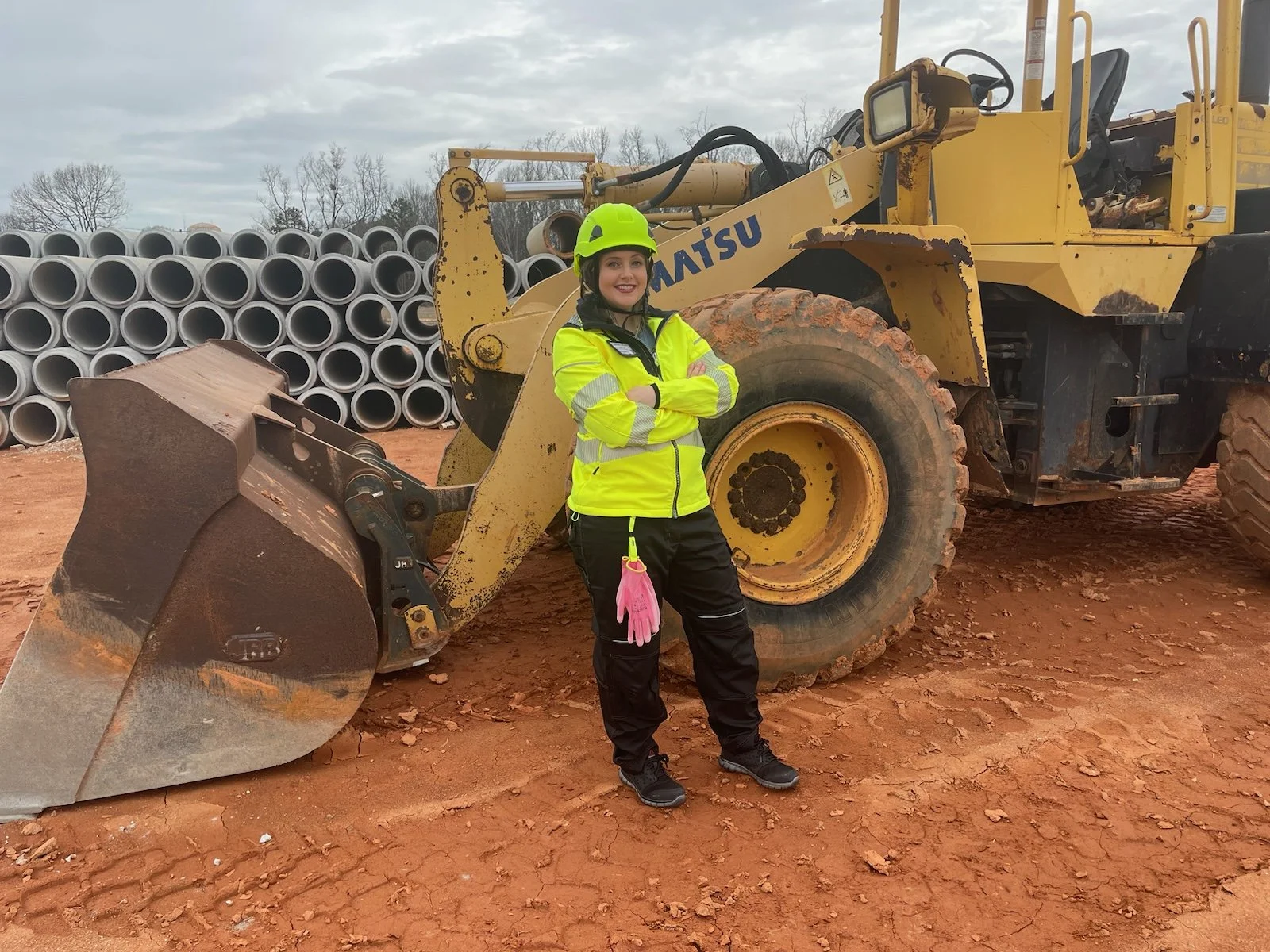
This blog was written by Brandy Zadoorian, CSP, and Triangle Safety Consulting LLC's Owner and Principal Consultant. She offers audits, expertise, resources, and guidance to help manufacturing facilities improve compliance with OSHA Requirements, minimize injuries and illnesses, and reduce risk!
She is a Certified Safety Professional (CSP) under the Board of Certified Safety Professionals.