Recently, while walking through a facility, I came across an employee’s workstation that was so neat and organized that I had to stop and take a picture. Every tool had its designated place, everything was easy to find, and the entire work area was well-maintained.
It might seem like a small, cosmetic detail on the surface, but an organized workstation tells you almost everything you need to know about a facility’s underlying safety culture.
When I shared that photo on LinkedIn, it sparked a great conversation with safety leaders, supervisors, and front-line workers about the real-world impact of keeping work areas orderly. Good housekeeping is far more than just "tidying up" before a plant tour—it is an active, daily risk control measure that drives both safety and productivity.
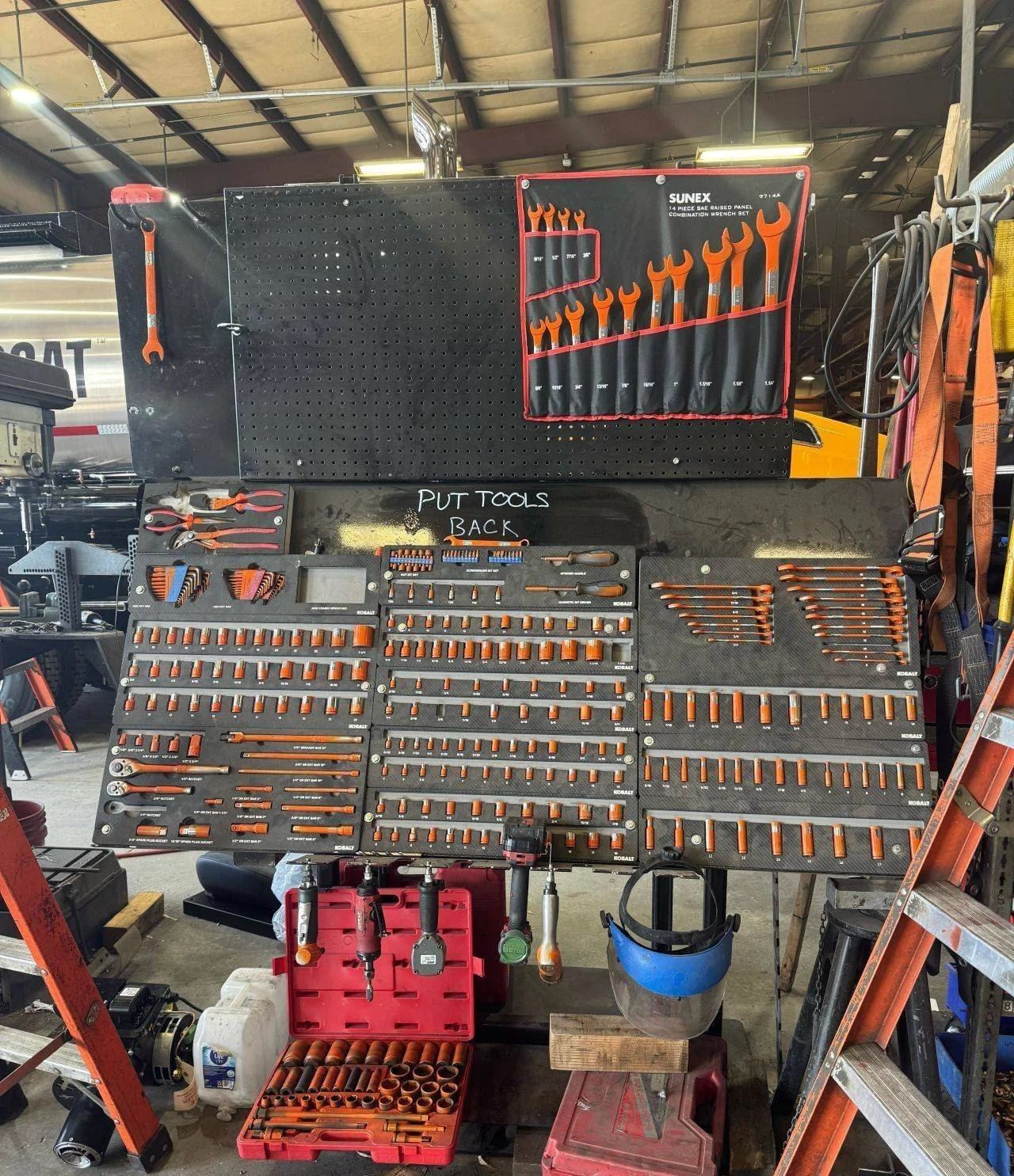
An organized workstation at a manufacturing facility!
Why Workstation Housekeeping Matters
Housekeeping is often treated as an afterthought or an end-of-shift chore. In reality, how a workstation is kept directly reflects how an organization manages risk, accountability, and operational discipline.
Here are the key benefits that stood out most from our industry discussion on LinkedIn:
Fewer Potential Hazards: Cluttered work areas are the leading contributor to slips, trips, and falls, consistently among OSHA’s most frequently recorded workplace incidents. Eliminating loose cords, misplaced tools, and scrap materials directly removes physical trip and pinch hazards from the work zone.
Improved Efficiency: When tools and equipment have designated homes, employees spend less time searching for what they need and more time doing the actual job safely. Disorganization means frustration, and frustration leads to rushed work and bypassed safety steps.
Better Tool Accountability: Shadow boards and organized storage make it immediately obvious when a tool is missing, broken, or left behind. In assembly or maintenance environments, a missing tool left inside a machine or mechanism can cause catastrophic equipment failure.
Easier, More Effective Inspections: When an area is clean and structured, anomalies stand out immediately. It becomes substantially easier to spot machine oil leaks, frayed electrical cords, damaged tooling, or structural cracks that would otherwise hide under clutter.
A Stronger Safety Culture: When employees are given the time, tools, and authority to take pride in their workspace, they naturally take more ownership of their daily safety and the safety of their peers.
The Overlooked Connection: Housekeeping and PPE
One crucial point that surfaced during the discussion was how workstation organization directly impacts Personal Protective Equipment (PPE) compliance.
When PPE is tossed haphazardly into a drawer or hung on random machine parts, two things happen:
It gets damaged or contaminated (e.g., safety glasses getting scratched, face shields getting dusty, etc.).
Workers skip wearing it because finding the right gear takes too long.
Designating specific, labeled storage locations for items like cut-resistant gloves, face shields, earplugs, and specialized eye protection makes inventory gaps visible at a glance. It also reinforces the standard that PPE must be inspected for wear and tear before each use.
Engaging Your Team: How to Drive Real Change
You cannot force sustainable organization purely through mandates and audits. Real, lasting change comes from employee buy-in and frontline ownership.
To foster an organized, safety-first environment, start by asking your team two simple questions:
"What’s one thing we could change about your workstation to make it safer or more efficient? How can we help you get there?"
The people operating in these spaces every single day know the bottlenecks, the missing tools, and the awkward layouts better than anyone writing a policy from an office. Involve them in the design of their own workstations, give them the materials they need (such as shadow boards, bins, and labeling systems), and remove roadblocks.
Most importantly: recognize and reward pride. When an employee goes the extra mile to maintain a safe, clean, and organized workstation, acknowledge it publicly. What gets recognized gets repeated.
Actionable Takeaways to Improve Your Workstations
To elevate housekeeping and organization across your facility:
Eliminate ambiguity: Establish clear standards for what each workstation should look like at the start and end of every shift.
Implement visual controls: Use color-coding, labels, shadow boards, and floor markings so missing tools and blocked pathways are obvious in seconds.
Protect your PPE: Set up clean, dedicated storage spots for all required protective equipment at the point of use.
Involve the operators: Walk the floor, ask for input on layout improvements, and implement their practical ideas.
Celebrate good habits: Make workstation pride a recognized part of your facility's safety culture.
An organized workspace is safe, efficient, and disciplined by design. If you need assistance assessing your facility's safety culture, streamlining visual management standards, or conducting practical safety training, reach out to our team today.
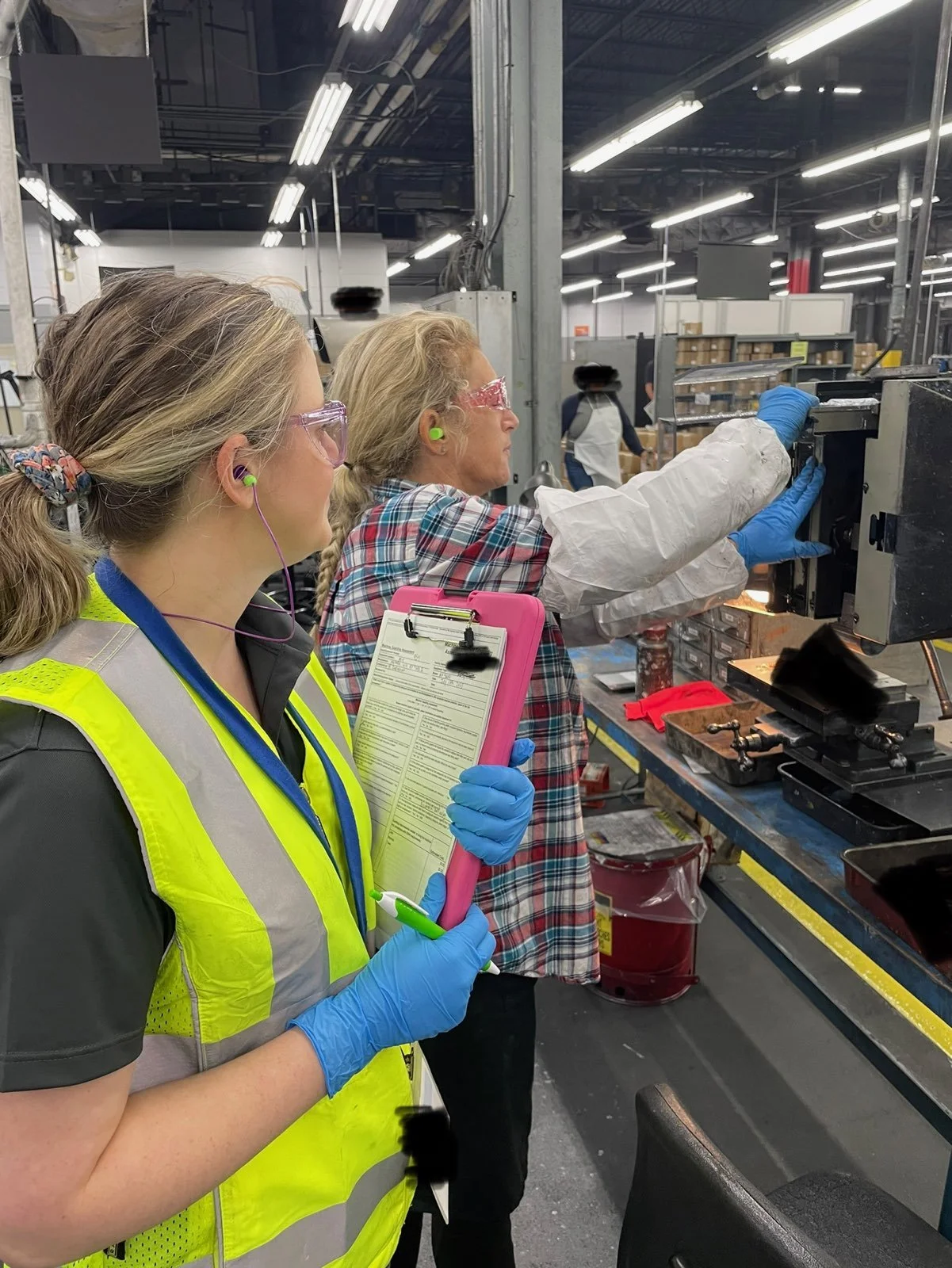
This blog was written by Brandy Zadoorian, CSP, and Triangle Safety Consulting LLC's Owner and Principal Consultant.
She offers audits, expertise, resources, and guidance to help manufacturing facilities improve compliance with OSHA Requirements, minimize injuries and illnesses, and reduce risk!
She is a Certified Safety Professional (CSP) under the Board of Certified Safety Professionals.