OSHA Lockout/Tagout (LOTO) 1910 Explained: What You Need to Know
Lockout/Tagout (LOTO) is one of the most critical safety topics and most cited OSHA requirements. When implemented correctly, it prevents severe workplace injuries: amputations, crush injuries, and fatalities caused by unexpected energization. This blog translates the OSHA Control of Hazardous Energy standard into understandable topics that you can apply to your Control of Hazardous Energy safety program.
Why Lockout/Tagout Is Non-Negotiable
LOTO is a system of energy control procedures required whenever employees are exposed to hazardous energy during servicing or maintenance.
This includes situations where:
Machine guards are removed
Electrical covers or doors are opened
Employees enter danger zones or points of operation
There is risk of unexpected startup or stored energy release
If energy can move, release, or restart unexpectedly, LOTO applies.
When Lockout/Tagout Is Required (and When It’s Not)
LOTO IS Required When:
Servicing or maintaining equipment
Performing adjustments
Bypassing guards or safety devices
Exposure to electrical, hydraulic, pneumatic, or mechanical energy exists
LOTO Is NOT Required When:
Normal production operations occur with guards in place
There is a rule for minor tool changes and adjustments, and other minor servicing activities, which take place during normal production operations. Minor tool changes are not covered if they are routine, repetitive, and integral to the use of the equipment for production, provided that the work is performed using alternative measures that provide effective protection.
An example of this would be a machine that has an interlocked door to the point of operation. Once an hour during the shift, employees have to open the interlocked door and remove a jammed piece of material from the machine. The task is routine, repetitive, and integral to the operation. They are protected with the alternative measure of the interlocked door.
Equipment is unplugged and under exclusive employee control (cord-and-plug exception)
A common audit gap includes misclassifying servicing tasks as “normal operations” to avoid LOTO. It’s a best practice to have a list of tasks for your Authorized employees so they know when they need to Lockout and Tagout so everyone is on the same page.
A Written Energy Control Program
OSHA requires a written Energy Control Program that includes:
Equipment-specific LOTO procedures
Employee training
Periodic inspections
Methods to isolate all energy sources
Your program must address all forms of energy, including:
Electrical
Hydraulic
Pneumatic
Mechanical
Thermal
Gravitational (stored energy)
Employee LOTO Roles: Authorized vs. Affected vs. Other
Authorized Employees
Perform LOTO procedures
Must understand energy types, hazards, and isolation methods
During training, I like to look at real LOTO procedures together from the facility. I also like to have a hands-on LOTO practice board for authrozed employees to practice following a LOTO procedure to ensure they know how to use LOTO devices such as ball valve devices.
Only authorized employees apply/remove locks!
Affected Employees
Operate or use locked-out equipment (typically machine operators)
Must be notified before and after LOTO
Other Employees
Work in the area
Must recognize LOTO and never interfere
Lockout/Tagout Devices: What OSHA Requires
LOTO Locks Must Be:
Durable and standardized
Used only for LOTO (no dual-purpose use). Do not use Locks for locking gates/fences or lockers!
used only by one worker - no sharing locks!
LOTO Tags Must:
Withstand the environment
Be legible and standardized
Include warnings like “Do Not Operate”
Identify the worker who applied them
Each worker must:
Apply their own lock
Maintain control of their key
Lockout/Tagout Procedures: Step-by-Step
Standard LOTO Sequence:
Prepare
Identify all energy sources
Review equipment-specific procedures
Notify
Inform affected employees
Shutdown
Use normal stopping procedures, such as pressing the stop button.
Isolate Energy
Open switches, close valves, etc. This would be when you turn the disconnect to the off position or turn ball valves to the off position.
Apply Locks & Tags
Each worker applies their device, locks, and tags.
Control Stored Energy
Discharge, block, or release if necessary. This could be adding a block under the head to work on a power press.
Verify (TRY Step)
Attempt startup using controls. Use the “on” button or other controls to ensure the equipment will not function.
Confirm zero energy state. For compressed air, ensure the gauges read 0. If not, release their pressure. Check again to ensure the pressure reads 0.
THIS IS AN EXTREMELY IMPORTANT STEP THAT MUST NOT BE FORGOTTEN!!
Only after verification is complete should work begin.
Returning Equipment to Service Safely
Required Sequence:
Remove tools and materials…you don’t want projecties hitting someone or causing damage to machines
Reinstall guards and safety devices
Verify controls are in the “off” position
Notify affected employees
Ensure the area is clear
Remove locks and tags (each worker removes their own)
Re-energize equipment
Restart using normal controls
Special Lockout Situations
Group Lockout
Multiple workers involved
Each worker applies their own lock
Typically uses hasps or lock boxes
Shift Changes
Incoming workers apply locks before outgoing workers remove theirs to ensure continuous protection
Outside Contractors
Must follow their employer’s LOTO program
Both employers must coordinate procedures
A common failure point is lack of communication between host employers and contractors. This can cause employee or contractor injury.
Training & Program Effectiveness
Your energy control program must include:
Initial training for all applicable employees
Role-specific instruction (authorized vs. affected vs. other)
Periodic inspections of procedures (OSHA says ANNUALLY) - this is when you review the written LOTO procedures and have each authorized person show you how they lock out the specific machinery. You also must discuss authorixed employees’ responsibilities under the procedure.
Retraining when procedures or equipment change
Final Takeaways
To strengthen your LOTO program:
Enforce strict use of LOTO during servicing and maintenance
Eliminate ambiguity around when LOTO applies - have a list of when it is required or when it is not
Develop and implement Standardized machine-specific LOTO procedures for equipment
Audit verification practices (“try” step)
Ensure each worker controls their own lock
Strengthen contractor coordination
Need assistance with creating LOTO procedures or LOTO training?
We are here to help.
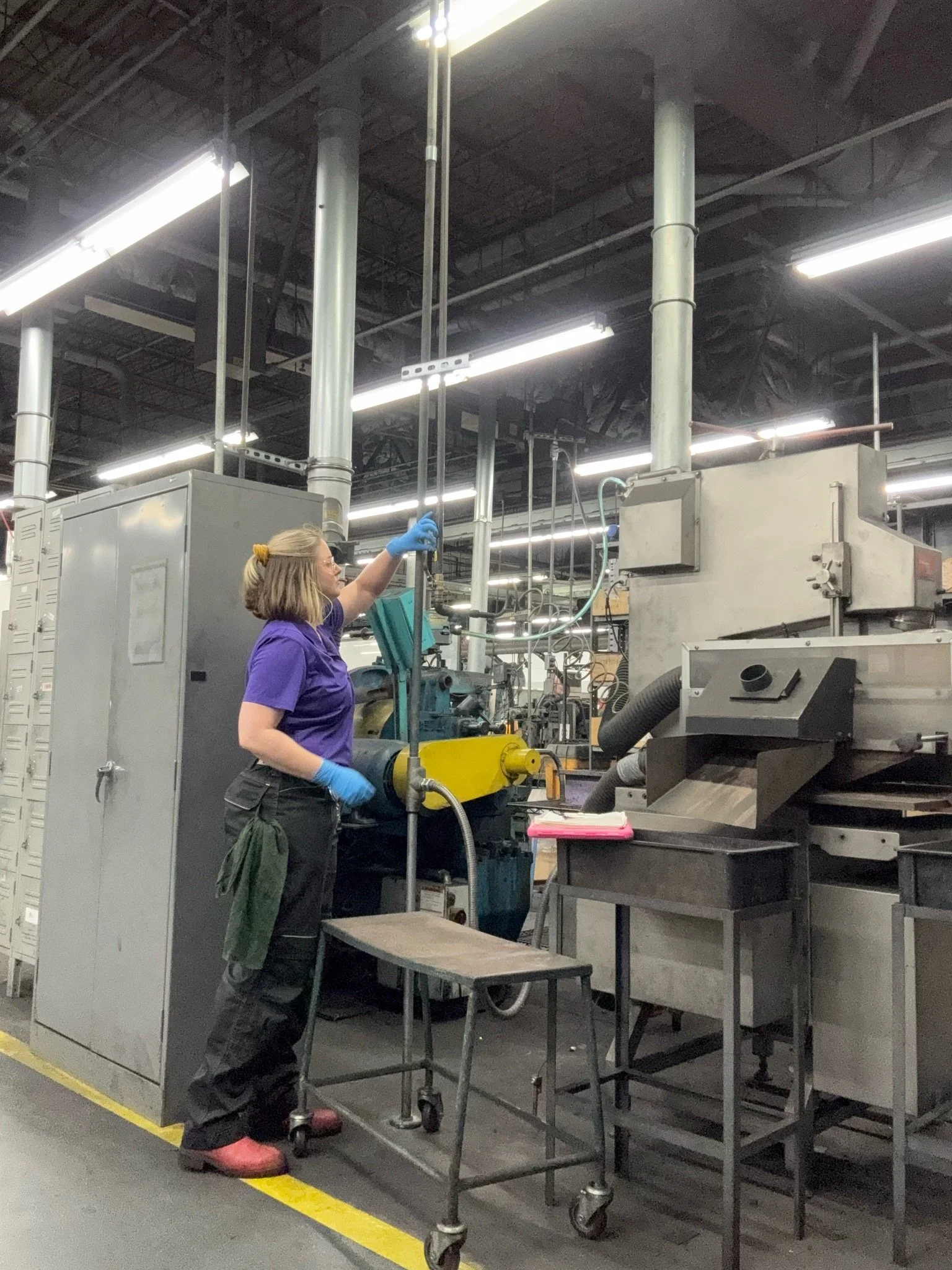
This blog was written by Brandy Zadoorian, CSP, and Triangle Safety Consulting LLC's Owner and Principal Consultant.
She offers audits, expertise, resources, and guidance to help manufacturing facilities improve compliance with OSHA Requirements, minimize injuries and illnesses, and reduce risk!
She is a Certified Safety Professional (CSP) under the Board of Certified Safety Professionals.